
Fine motor skills play an important role in a child’s early development. From picking up small objects and turning pages to drawing, using scissors and fastening buttons, these small movements help children build confidence and independence.
A fine motor skill activity is any activity that encourages children to use the small muscles in their hands, fingers and wrists. These skills develop gradually through play, repetition and everyday experiences.
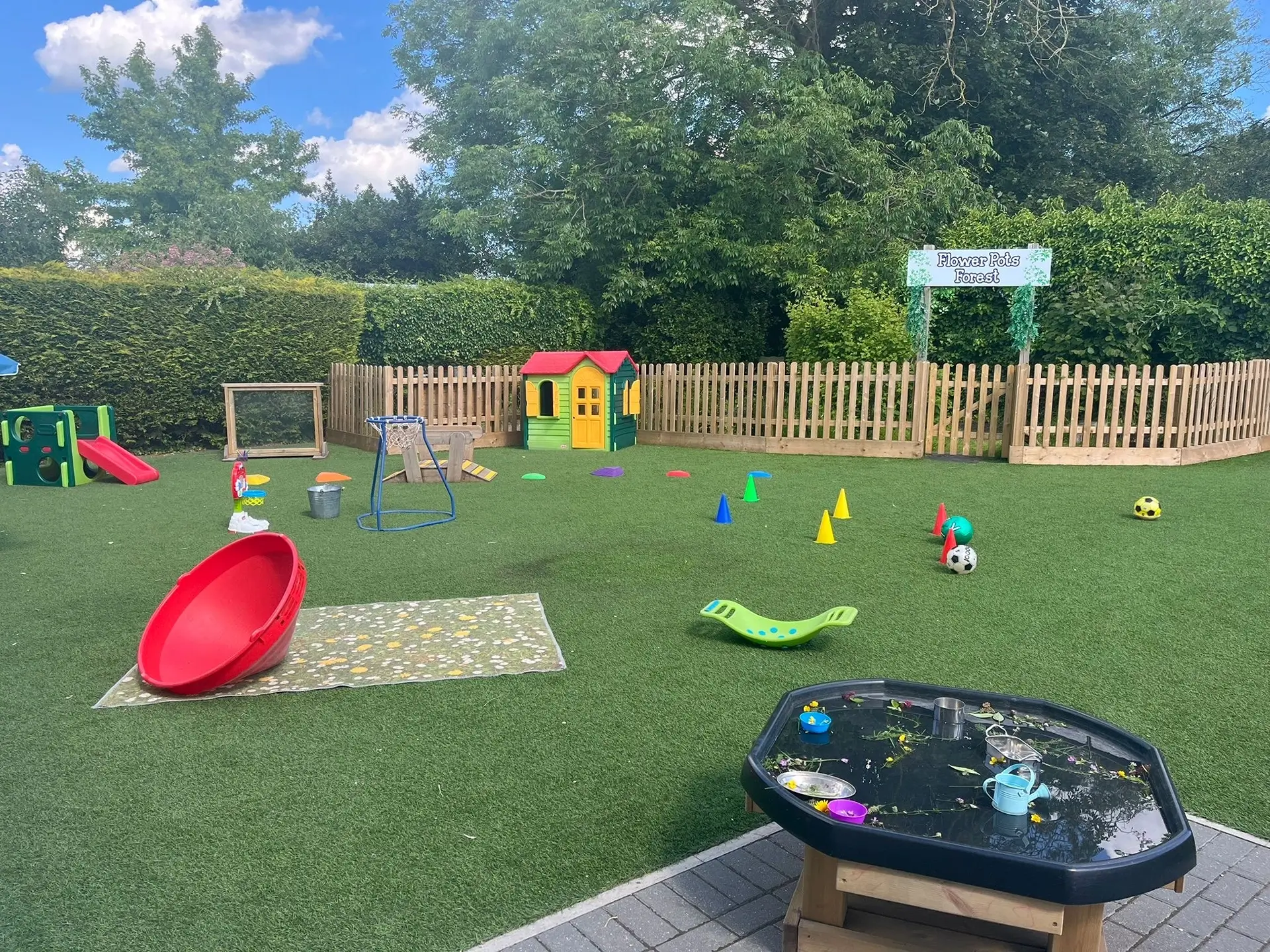
At Flower Pots Day Nursery, we understand that children learn best when they are given time, encouragement and meaningful opportunities to explore. Through carefully planned activities and child-led learning, children can develop fine motor skills in a way that feels natural and enjoyable.
For families exploring our nurseries in Hemel Hempstead and the surrounding areas, fine motor development is an important part of a high-quality early years experience.
23 Fine Motor Skill Activities Children Should Know
Fine motor skills are developed through small, repeated actions. Simple activities such as squeezing playdough, threading pasta, tearing paper or using tongs can all help children strengthen their hands and improve coordination.
These activities do not need to feel formal. In fact, many of the best fine motor skill activities happen through play.
Throughout this article, we’ll look at:
- What Are Fine Motor Skills?
- Fine Motor Skills Activities For 1-2 Year Olds
- Fine Motor Skills Activities For 3-4 Year Olds
- Fine Motor Skills Activities For 5 Year Olds
Each stage of development brings new opportunities for children to practise control, concentration and independence.
What Are Fine Motor Skills?
Fine motor skills are the coordinated movements of the small muscles in the hands, wrists, fingers, feet and toes.
They require the brain and nervous system to work together, helping children complete precise actions such as holding a spoon, picking up small objects, drawing, writing, using scissors and fastening buttons.
These skills begin developing from birth.
A baby grasping a parent’s finger, a toddler feeding themselves, or a preschooler placing stickers onto paper are all practising fine motor control. Over time, these small movements help children build strength, accuracy and confidence.
Fine motor skills also support many other areas of learning. They are closely linked to hand-eye coordination, concentration, problem-solving, communication and independence.
They also connect naturally with sensory learning. Children often use their hands to explore the world around them, whether they are playing with water, sand, dough, natural materials or craft resources. For parents who would like to understand this further, we’ve also shared a helpful guide on what sensory play is and why it matters in early years development.
As with all areas of child development, fine motor skills develop at different rates. Some children enjoy detailed activities early on, while others need more time and practice. The most important thing is that children are supported in a calm, positive and encouraging way.
Alder Hey Children’s NHS Foundation Trust also highlights that fine motor development includes skills such as grip strength, hand-eye coordination, finger dexterity and pincer grasp.
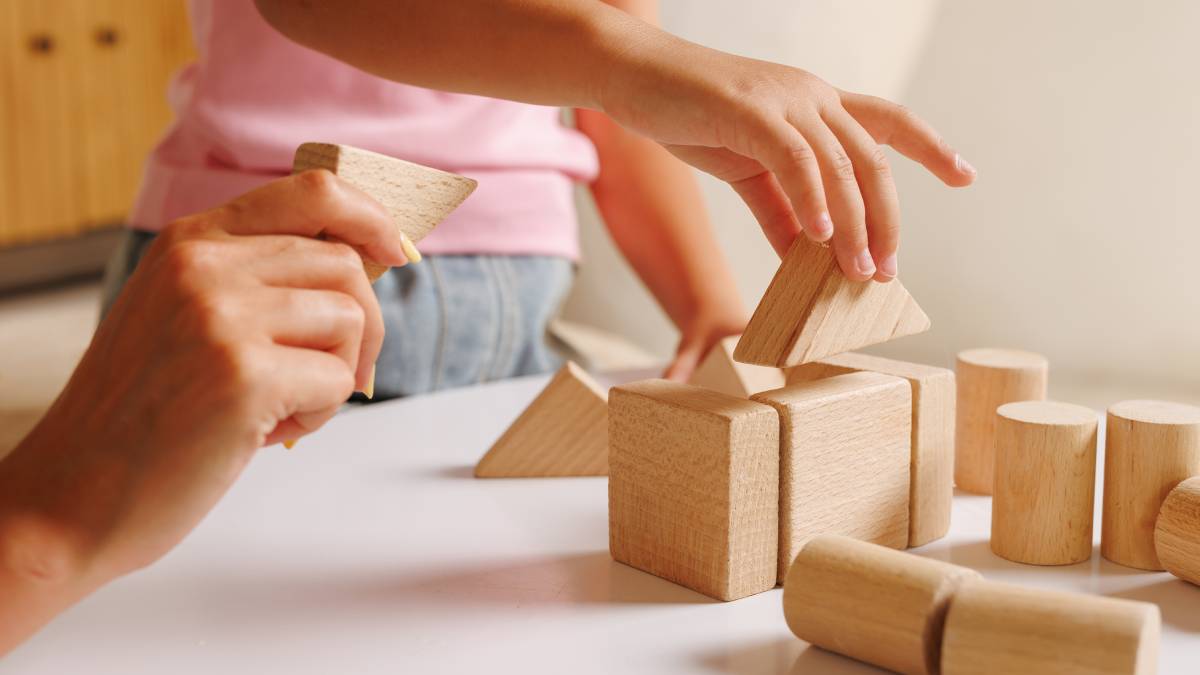
Fine Motor Skills Activities For 1-2 Year Olds
For 1- to 2-year-olds, fine motor activities usually focus on grasping, dropping, pinching, squeezing and exploring.
At this age, children are still learning how to control their movements, so activities should be simple, safe and closely supervised.
One useful activity is posting objects into a box. A cardboard box with a slot cut into the top can be used with large pom-poms, chunky cards or fabric squares. This encourages children to grasp, aim, release and repeat the action.
Tearing paper is another simple activity. Using tissue paper, wrapping paper or construction paper, toddlers can practise gripping and pulling. This helps strengthen the small muscles in their hands and fingers.
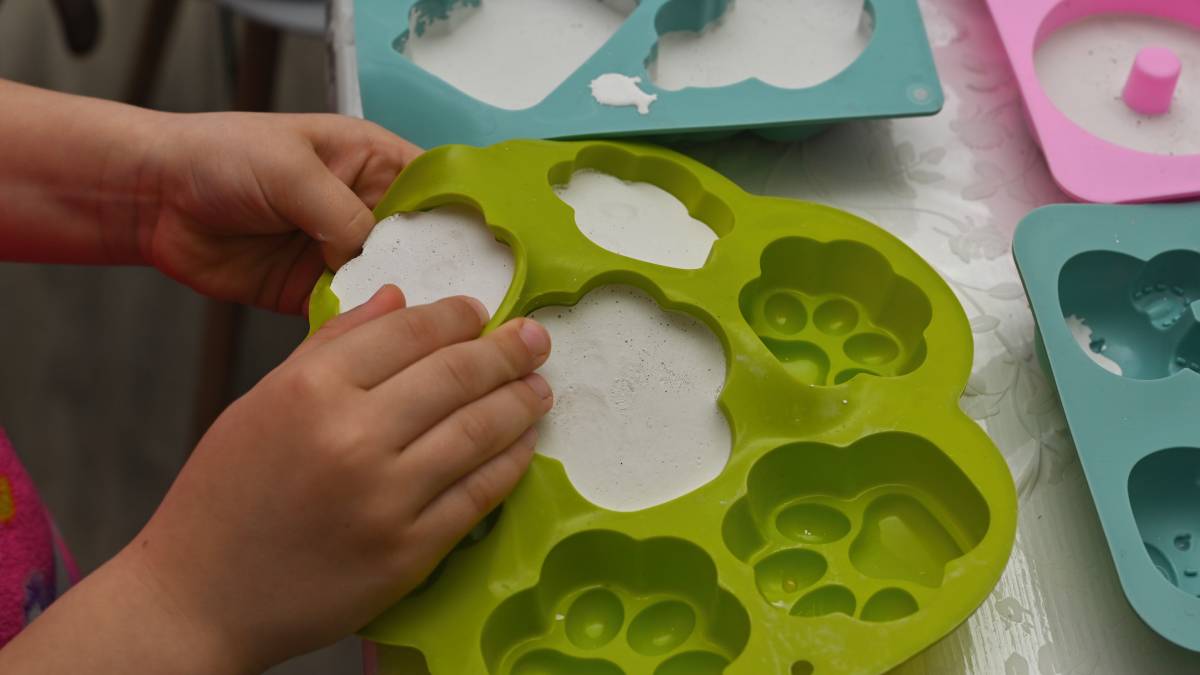
Playdough is also valuable for this age group. Squeezing, poking, rolling and flattening dough all help build hand strength. Children do not need to make anything specific. The process of exploring the texture is what matters most.
Everyday routines can also support fine motor development. Opening and closing easy food containers, turning pages in a board book, stacking cups, feeding themselves with a spoon and picking up finger foods all help children practise coordination.
For parents looking for more examples, Pampers shares helpful guidance on baby and toddler fine motor development, including activities such as stacking cups, exploring containers and turning pages.
Helpful fine motor activities for 1- to 2-year-olds include:
- Posting large objects into a box
- Tearing paper
- Squeezing and rolling playdough
- Turning pages in board books
- Stacking cups or blocks
- Opening and closing simple containers
- Picking up safe finger foods
These small experiences help children begin developing the strength and control they will need for later tasks.
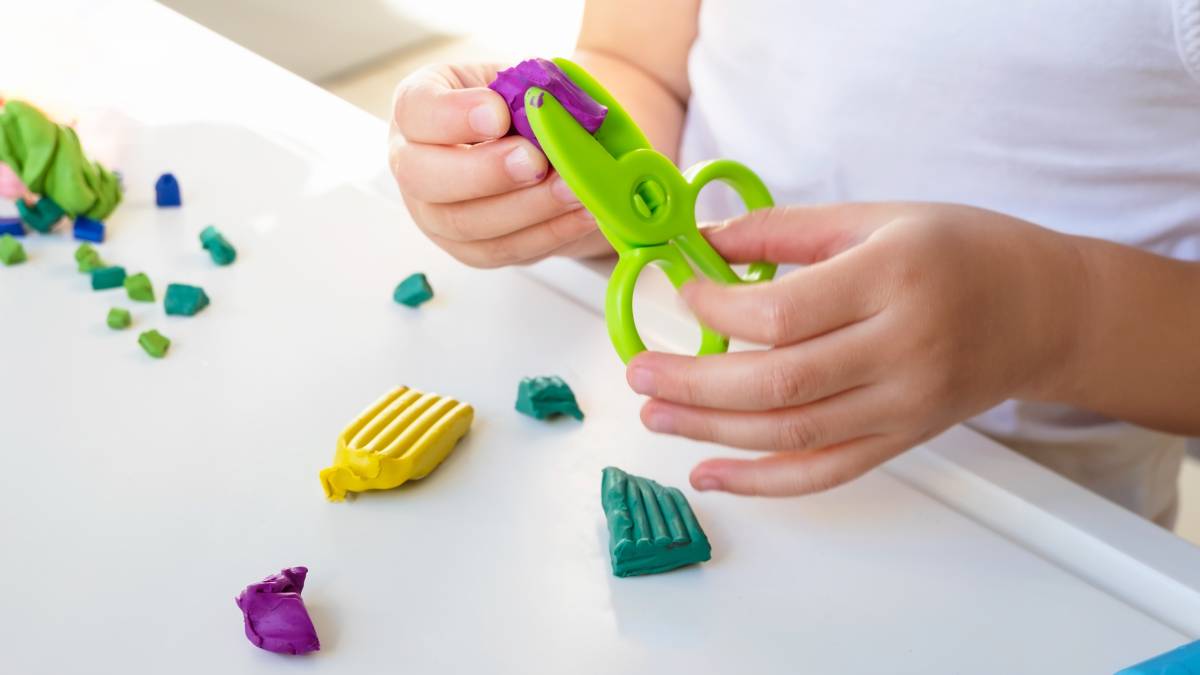
Fine Motor Skills Activities For 3-4 Year Olds
Between the ages of 3 and 4, many children become more interested in activities that require concentration, creativity and control.
At this stage, fine motor activities can become slightly more challenging while still remaining playful.
Playdough is one of the most useful activities for this age group. Kneading, rolling, squeezing, pinching and shaping dough all support hand strength and finger coordination. Children can also begin using simple tools such as rolling pins, cutters or child-safe scissors.
Threading is another helpful activity. Children can thread cereal hoops, pasta tubes or large beads onto pipe cleaners or string. Pipe cleaners can be especially useful because they are firmer and easier for younger children to control.
Using child-safe tongs or tweezers can also help develop fine motor skills. Children can transfer pom-poms, pasta shapes or cotton wool balls from one bowl to another, encouraging them to squeeze, release and aim carefully.
Cutting with child-safe scissors is another important activity. Children can begin by snipping strips of paper before moving on to cutting simple lines or shapes. This supports coordination between both hands, as one hand holds the paper while the other controls the scissors.
The Department for Education’s early years guidance explains the importance of giving children opportunities to develop fine motor skills alongside wider physical development. You can find further guidance through the government’s early years fine motor skills support.
Helpful fine motor activities for 3- to 4-year-olds include:
- Kneading and shaping playdough
- Threading cereal hoops or pasta
- Using child-safe scissors
- Transferring small items with tongs
- Peeling and placing stickers
- Completing simple puzzles
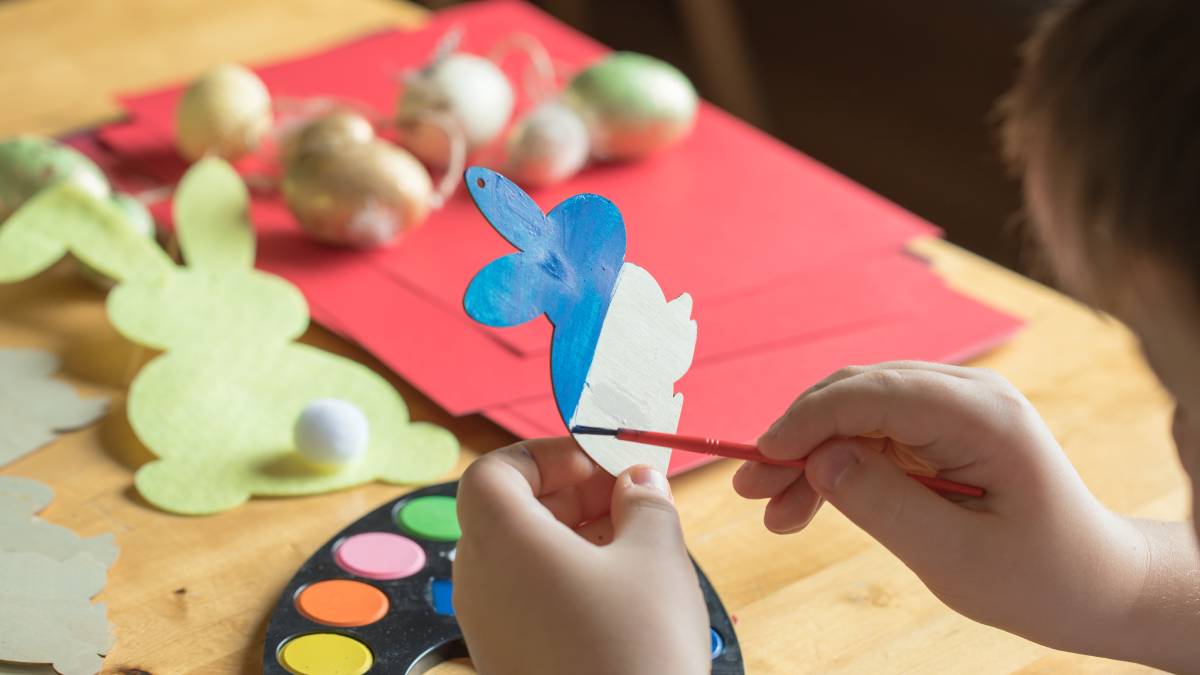
- Painting with brushes
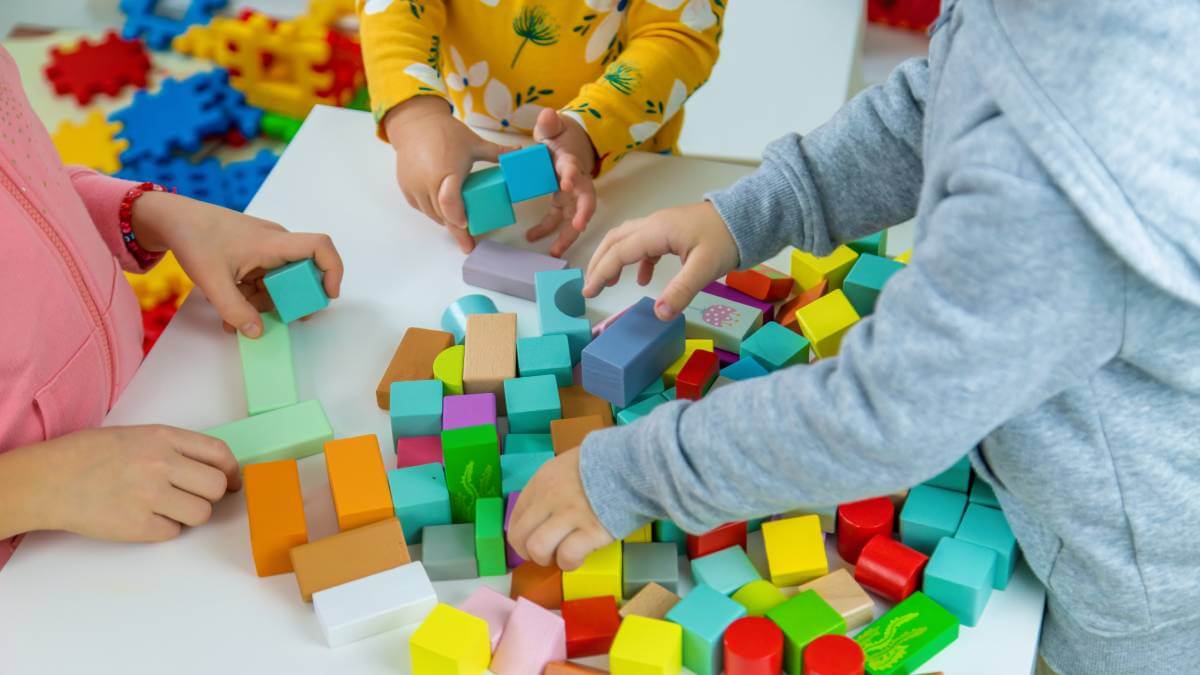
- Building with small blocks
At Flower Pots Day Nursery, these activities are often woven into creative play, practical tasks and everyday routines. This helps children practise important skills in a relaxed and meaningful way.
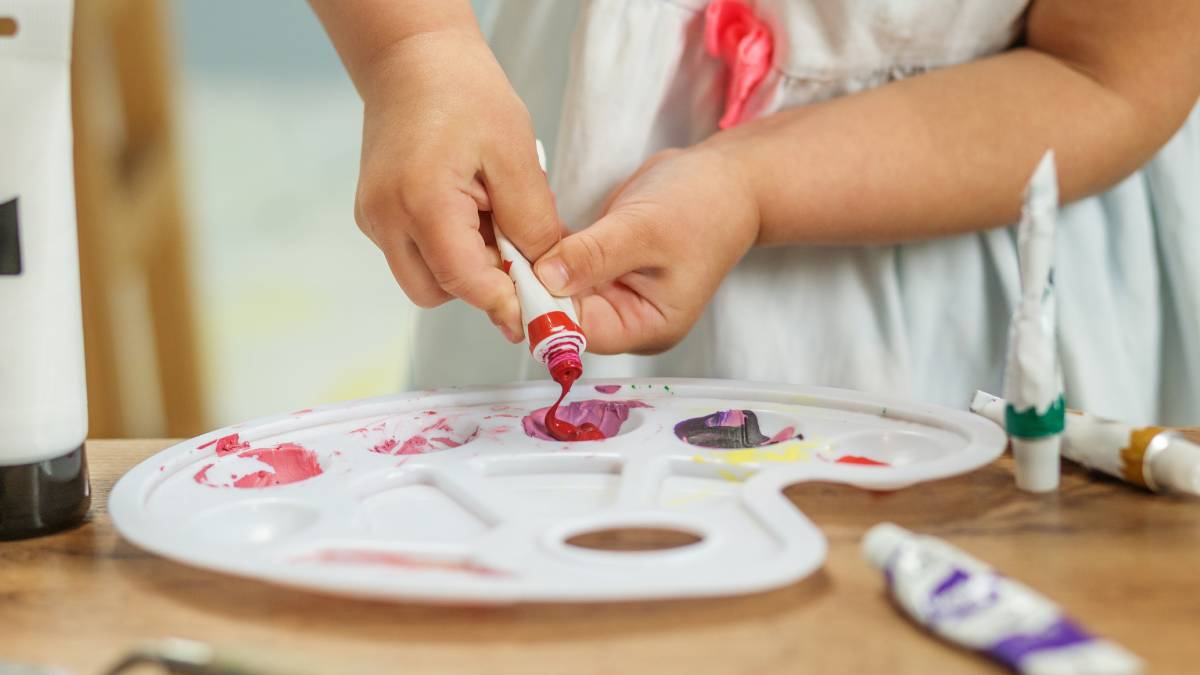
Fine Motor Skills Activities For 5 Year Olds
By the age of 5, many children are preparing for more structured learning. Fine motor skills become increasingly important for writing, drawing, dressing, using cutlery and completing everyday tasks more independently.
Activities for this age group can involve greater precision, planning and control while still remaining enjoyable and creative.
Drawing and early writing activities are particularly useful. Children can trace patterns, practise forming letters, draw within shapes or follow simple mazes. These activities help develop pencil control and support the movements needed for handwriting.
Building with small construction pieces can also strengthen fine motor skills. Connecting bricks, creating models and following simple instructions encourage children to use careful finger movements, hand-eye coordination and problem-solving skills.
Origami and paper-folding activities are another helpful option. Folding paper along lines, creating simple shapes and pressing down the edges require concentration and controlled movements using both hands.
Craft activities such as weaving paper strips, making collages or using hole punches can also support coordination and creativity. Children can begin completing more detailed tasks that require them to plan where to place items.
Everyday activities are equally valuable. Fastening buttons, tying simple knots, opening lunchboxes and using knives and forks all help children become more confident and independent.
Helpful fine motor activities for 5-year-olds include:
- Tracing letters, patterns and shapes
- Completing simple mazes
- Building models with small construction pieces
- Folding paper and trying simple origami
- Weaving paper or fabric strips
- Using a hole punch for craft activities
- Practising buttons, zips and shoelaces
- Using cutlery independently
At Flower Pots Day Nursery, children strengthen their fine motor skills through creative activities, everyday routines and play-based learning. These hands-on experiences help develop precision, hand-eye coordination and muscle strength, while encouraging children to become more confident and independent.
School readiness involves much more than learning letters and numbers. It also includes communication, physical control, emotional security and the ability to manage everyday tasks. Fine motor activities support many of these essential skills, helping children feel more prepared for nursery, home life and the transition to school.
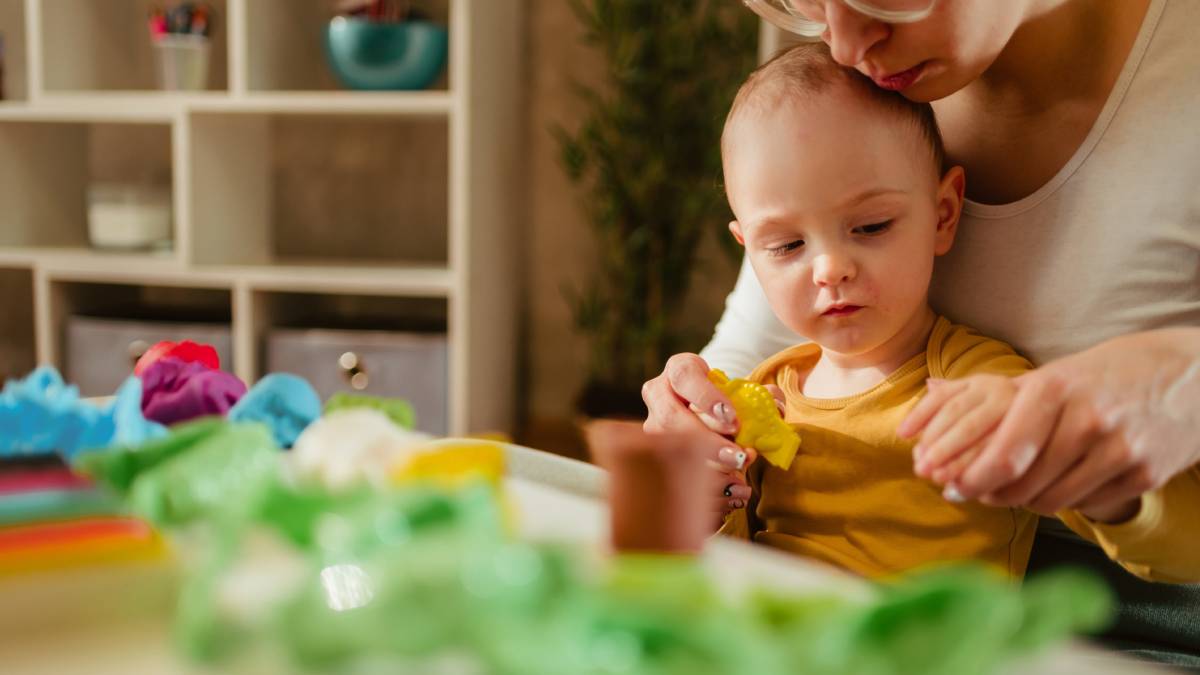
Helping Children Build Confidence Through Fine Motor Skills
Fine motor skills are built through small, repeated experiences.
Every time a child squeezes playdough, turns a page, posts an object, threads pasta, cuts paper, peels a sticker or fastens a button, they are developing strength, coordination and confidence.
These skills support many areas of early development, from independence and creativity to communication, concentration and school readiness. The best fine motor activities are often simple, practical and enjoyable, allowing children to learn through direct experience.
UNICEF explains that early childhood is an important window for building the foundations of a child’s future development, which is why everyday learning experiences, including fine motor activities, can be so valuable.
At Flower Pots Day Nursery, we are committed to providing high-quality early years education in warm, nurturing and carefully planned environments. Our educators support children through a wide range of activities that encourage independence, curiosity and development across all areas of learning.
For parents looking for a nursery that supports children to grow at their own pace, we offer a professional and welcoming environment where every child can build strong foundations for the future.